A timesheet is a document or digital tool that records the hours an employee has worked during a specific period, typically a week or fortnight. Timesheets serve multiple purposes: they provide the basis for payroll calculation, they create a record of attendance for compliance purposes and they integrate with leave management systems to ensure that leave taken is accurately reflected in both the employee’s leave balance and their pay. In Australia, the Fair Work Act requires employers to maintain records of hours worked, making timesheets a legal obligation as well as an operational tool.
Key Takeaways
- Timesheets are a legal record-keeping requirement in Australia under the Fair Work Act and in the UK under the Working Time Regulations
- Integrating timesheets with leave management ensures that approved leave is reflected in pay calculations and leave balances
- Digital timesheet systems reduce errors, automate compliance checks and provide audit trails for regulatory purposes
What Timesheet Integration Means for Employers
Timesheets and leave management are intrinsically linked. When an employee takes leave, the timesheet records the day as leave rather than work. This affects pay calculations (leave days are paid at the leave rate, not the ordinary rate), leave balance deductions (the employee’s accrued leave is reduced by the days taken) and compliance records (the employer must demonstrate that the correct leave was applied).
Without integration, these processes are manual and error-prone. An employee submits a leave request via email, the manager approves it verbally, and the payroll team manually adjusts the timesheet and leave balance. This creates opportunities for: leave being recorded as work (resulting in overpayment), work being recorded as leave (resulting in underpayment), leave balances not being updated (resulting in incorrect balances), and records not meeting the Fair Work Act’s seven-year retention requirement.
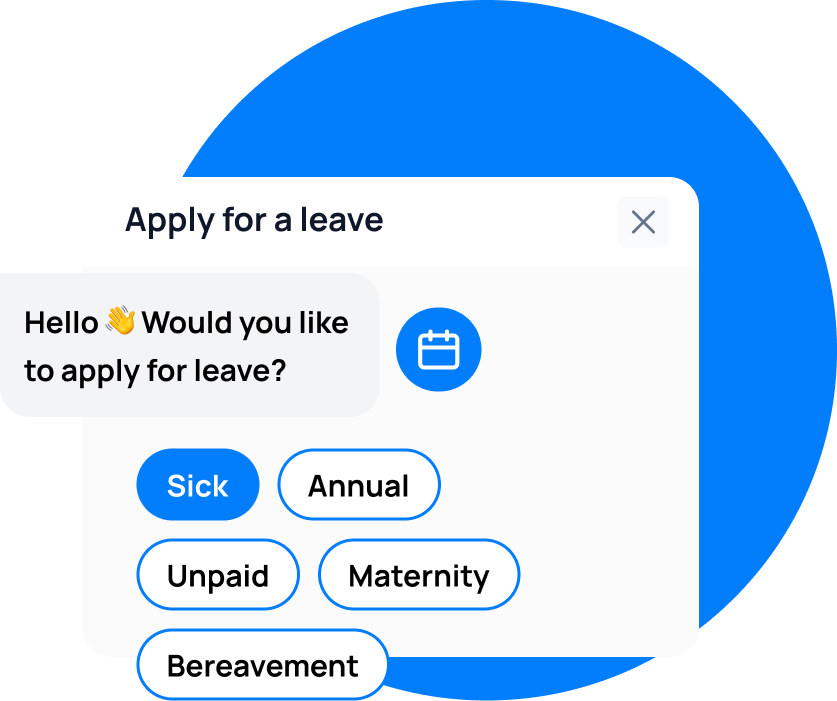
Integrated timesheet and leave management systems automate these processes. When leave is approved, the system automatically populates the timesheet with the leave type, adjusts the leave balance and calculates the correct pay rate. The employer retains a complete audit trail that satisfies regulatory requirements.
Timesheet Rules by Region
| Country | Rule | Detail |
|---|---|---|
| UK | Working Time Regulations 1998 | Employers with more than 10 employees must keep adequate records to demonstrate compliance with working time limits |
| AU | Fair Work Act 2009 (Cth) | Employers must keep records of hours worked, leave taken and leave balances for seven years |
| US | FLSA | Employers must maintain accurate time records for non-exempt employees; no federal leave recording requirement |
How Timesheet Integration Works in Practice
A Perth mining company with 500 employees implements an integrated timesheet and leave management system. Each employee clocks in and out using a biometric scanner, and the system records actual hours worked. When an employee’s leave request is approved through the HRIS, the system automatically marks the approved days on the timesheet as “annual leave” and deducts the days from the employee’s leave balance.
The payroll team reviews the timesheet at the end of each pay cycle. Approved leave days are paid at the employee’s ordinary rate (with leave loading where applicable), while days worked are paid at the standard rate. The system flags any discrepancies, such as an employee clocking in on a day marked as leave, which may indicate an error or unapproved absence.
The integration eliminates manual data entry, reduces payroll errors and provides a complete audit trail that satisfies the Fair Work Act’s record-keeping requirements.
Common Mistakes with Timesheets
- Not integrating timesheets with leave management, creating manual data entry and error opportunities
- Failing to record leave taken on the timesheet, which affects both pay calculations and compliance records
- Using paper timesheets without digital backup, which may not satisfy the seven-year record-keeping requirement in Australia
- Not training employees on how to correctly record leave vs work hours on timesheets
- Ignoring timesheet discrepancies, which may indicate underpayment or overpayment that creates legal exposure
FAQ
What is a timesheet?
A timesheet is a record of the hours an employee has worked during a specific period. It serves as the basis for payroll, compliance tracking and leave management.
Are timesheets legally required?
In Australia, the Fair Work Act requires employers to maintain records of hours worked, making timesheets a legal obligation. In the UK, the Working Time Regulations require adequate records. In the US, the FLSA requires time records for non-exempt employees.
How do timesheets integrate with leave management?
Integrated systems automatically populate timesheets with approved leave, deduct leave balances and calculate correct pay rates. This eliminates manual data entry and reduces errors.
leave emails? Track your employee's leave with Leave Balance