Unlimited PTO is one of the most polarising policies in HR. On paper, it reads like a dream benefit — take whatever time you need, whenever you need it. In practice, it often leads to employees taking less time off than they would under a traditional policy. A study by Namely found that workers with unlimited PTO took an average of 13 days off per year, compared to 20 days for those on standard accrued plans.
The gap between the promise and the reality is worth understanding before you adopt it for your team. This guide covers how unlimited PTO actually works, what the research says, and which types of companies benefit from it — and which ones pay a hidden cost.
What Is Unlimited PTO?
Unlimited PTO (sometimes called unlimited paid time off or flexible time off) is a policy where employees have no fixed cap on the number of paid days they can take. Instead of accruing a set number of vacation days per year, they request time off as needed, subject to manager approval.
This differs from traditional PTO in a few important ways:
- No accrual. Employees don’t earn days over time. There’s no running balance to track or maintain.
- No rollover. Since nothing accrues, there’s no end-of-year scramble to use days or lose them.
- No payout on departure. In most jurisdictions, employers aren’t required to pay out unused leave because no leave was technically accrued. (This varies by location — some US states and countries have specific rules.)
- No use-it-or-lose-it pressure. The flip side of no payout: no guilt about “wasting” days.
According to SHRM’s 2025 benefits survey, around 11% of organisations now offer some form of unlimited PTO, up from roughly 5% in 2017. Adoption is concentrated in tech and professional services, though it’s spreading into other industries.
The Pros of Unlimited PTO
It Sends a Trust Signal
When you tell employees they can take time off whenever they need it, you’re signalling that you trust their judgement. For many teams — especially those with experienced, self-directed workers — this trust pays dividends in engagement and retention. People tend to rise to the level of responsibility you give them.
It Eliminates Use-It-or-Lose-It Guilt
Under traditional PTO, employees often face a choice: lose days at the end of the year or scramble to take time off they don’t genuinely want. Neither option is great. Unlimited PTO removes that artificial deadline. People can take a long holiday in July without worrying about rationing days for December.
It Simplifies Administration
No accrual calculations. No tracking separate buckets for vacation, personal, and sick days. No complex payout math when someone leaves. From a payroll and HR perspective, unlimited PTO is straightforward to manage — especially for small teams without dedicated HR staff.
It Removes Termination Payout Liability
Accrued leave is a balance sheet liability. If an employee has 20 unused vacation days and leaves, you owe them for those days. With unlimited PTO, that liability largely disappears. For growing companies watching cash flow, this isn’t a trivial benefit.
It’s a Strong Recruitment Perk
Unlimited PTO still carries prestige, even if the data tells a more nuanced story. Job postings that mention unlimited PTO generate significantly more interest, particularly among millennial and Gen Z candidates who value flexibility. It’s a differentiator in competitive hiring markets.
It Treats Adults Like Adults
The philosophical argument for unlimited PTO is simple: you hired competent people, so let them manage their own time. Micromanaging someone’s holiday schedule feels paternalistic, and removing that constraint can improve morale for the right team.
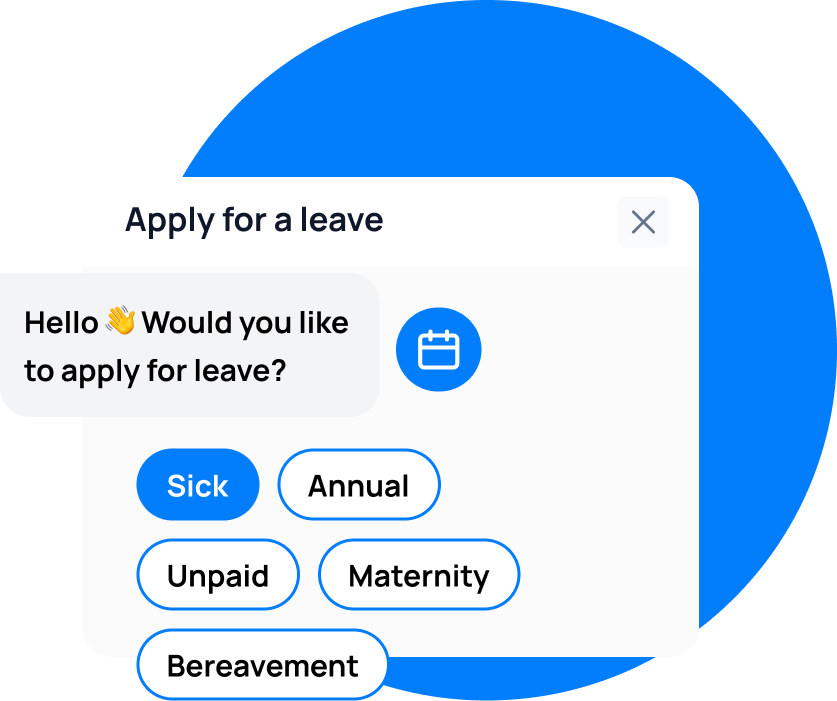
leave emails? Track your employee's leave with Leave Balance
The Cons of Unlimited PTO
Employees Take Less Time Off
This is the most well-documented downside. Research from Namely (now part of isolved) and Ultimate Software’s workforce report found that employees with unlimited PTO averaged 13 days off per year, compared to 17-20 days for those on traditional plans. That’s not a minor difference — it’s nearly a full working month of leave left on the table.
The reasons are psychological. Without a defined allocation, employees have no reference point for what’s “normal” or “acceptable.” The absence of a number creates a vacuum, and that vacuum fills with hesitation.
Ambiguity Creates Anxiety
When the policy is “take what you need,” the obvious next question is: what do I need? Employees end up second-guessing every request. Is a week too much? Is two days too little? Will my manager think I’m slacking? Without clear guidelines, the policy that was supposed to reduce stress ends up causing it.
Inequity Across Teams
In practice, unlimited PTO often benefits certain groups more than others. High performers feel more comfortable taking time because they know their work speaks for itself. Quieter or less senior employees may under-request out of fear. Over time, this creates visible disparities that breed resentment. One person takes four weeks; another takes five days and feels anxious about it.
Manager Approval Becomes a Bottleneck
Under traditional PTO, managers check a balance and approve. The decision is mechanical. Under unlimited PTO, every request requires subjective judgement: is this a good time? Does the team have capacity? Is the employee asking for too much? That puts managers in an uncomfortable position and slows down the entire process.
Cultural Pressure to Not Use It
In teams with poor work-life balance, unlimited PTO can backfire spectacularly. If the CEO never takes time off, or if taking a week’s holiday is met with passive-aggressive comments about “coverage,” the policy is effectively useless. The culture overrides the policy every time.
No Payout at Termination
The same feature that saves employers money on payouts can hurt employees. Under a traditional policy, an employee who leaves with 15 unused days gets paid for them. Under unlimited PTO, they walk away with nothing. For workers who deliberately saved time for financial reasons — planning to cash out on exit — that’s a real loss.
Which Companies Should Consider Unlimited PTO?
Unlimited PTO works best in specific environments. Here’s where it tends to succeed:
Tech startups and creative agencies. These teams already operate with flexible norms, project-based work, and strong results-oriented cultures. The trust foundation exists.
Small, salaried teams. When everyone knows each other well and communication is informal, unlimited PTO is easier to manage. There’s less bureaucracy, and requests are handled quickly.
Companies with strong leadership modelling. If executives genuinely take time off — and make it visible — the rest of the team follows. Leadership behaviour is the single biggest predictor of whether unlimited PTO succeeds.
Organisations with low overtime expectations. When workloads are predictable and manageable, employees feel safe taking breaks. In high-demand environments, unlimited PTO becomes a hollow promise.
Which Companies Should Avoid It
Hourly and shift-based teams. When someone’s absence directly affects scheduling and coverage, unlimited PTO creates operational chaos. Retail, hospitality, healthcare, and manufacturing all fall into this category.
Regulated industries with strict staffing requirements. If you need a minimum headcount on the floor at all times, you need predictable leave planning — not ad hoc requests.
Companies with poor existing work-life balance. Adding unlimited PTO on top of an already stressful culture doesn’t fix the culture. It just gives people a policy they’re too anxious to use. If your team is already showing signs of burnout, the root problem isn’t the leave policy.
Organisations in jurisdictions with mandatory leave minimums. In the UK, the EU, and Australia, statutory leave entitlements apply regardless of what your internal policy says. “Unlimited PTO” can’t replace legal minimums. Employees still have rights you can’t contract out of.
How to Make Unlimited PTO Actually Work
If you’ve decided unlimited PTO fits your team, here’s how to implement it without the common pitfalls:
Set a Minimum Expectation
The most effective unlimited PTO policies include a floor, not just a ceiling removal. Tell employees: “You’re expected to take at least two weeks off per year, minimum.” That single number eliminates the ambiguity problem. People now have a baseline they can point to.
Require Manager Approval
Don’t make it self-serve. A simple approval process ensures that someone is thinking about team capacity and workload distribution. It also normalises the act of requesting leave, which makes people more likely to do it.
Lead by Example from the Top
If your leadership team doesn’t take time off, nobody else will either. Make executive leave visible — mention it in team updates, include it in company communications. Normalisation starts at the top.
Track Patterns and Intervene Early
Even without individual accrual balances, you can track team-wide leave patterns. If certain departments or individuals consistently take very little time off, that’s a red flag. Reach out proactively — don’t wait for a burnout crisis.
Communicate Expectations Explicitly
Write down what “reasonable” looks like. Include examples: “Taking a two-week holiday is normal and encouraged. Taking a single day off for a medical appointment is fine. Please give at least two weeks’ notice for trips longer than three days.” Specificity removes anxiety.
Run a Quarterly Leave Audit
Every quarter, review how much time your team has actually taken. Compare it to what they’d have under a traditional policy. If the numbers are significantly lower, the policy isn’t working — and you need to adjust your approach.
Traditional PTO vs Unlimited PTO: A Quick Comparison
| Factor | Traditional PTO | Unlimited PTO |
|---|---|---|
| Average days taken | 17-20 per year | 13-15 per year |
| Employee clarity | High (fixed number) | Low (subjective) |
| Administrative burden | Higher (accrual, tracking) | Lower |
| Termination payout | Required in most cases | Usually not required |
| Equity across team | High (everyone gets the same) | Low (varies widely) |
| Works for hourly teams | Yes | No |
| Best for | Most organisations | Small, salaried, high-trust teams |
The Bottom Line
Unlimited PTO isn’t inherently good or bad. It’s a policy that amplifies whatever culture already exists. In a healthy, trust-based team, it can be a genuine benefit. In a dysfunctional one, it becomes a tool for underpaying employees by proxy — they earn less leave and get no payout when they leave.
If you’re designing a leave policy from scratch, start with our PTO policy guide to understand the full range of options. And if you’re concerned that your current setup might be contributing to team burnout, understanding the 5 stages of burnout can help you diagnose whether your leave culture is part of the problem.
Whatever policy you choose, track it. Measure how much time people actually take. Ask whether they feel comfortable requesting it. A policy is only as good as the behaviour it produces.