
Leave accrual during unpaid leave is one of the most commonly misunderstood areas of employment law — and the answer depends entirely on which jurisdiction you are in and what type of leave the employee is taking. In the UK, employees on unpaid leave generally continue to accrue statutory annual leave under the Working Time Regulations 1998. In Australia, the Fair Work Act 2009 treats long service leave and annual leave differently during unpaid leave. In the US, there is no federal requirement to accrue leave during unpaid leave — it depends on company policy and state law. For employers, the decision is not just legal compliance — it is a policy choice that affects employee retention, payroll complexity, and leave balance accuracy.
This guide covers how to handle leave accrual during unpaid leave and career breaks: the legal position in the UK, Australia, and US, policy decisions for employers, and worked examples.
Key takeaways
- UK employees on unpaid leave generally accrue statutory annual leave under the Working Time Regulations 1998.
- Australian employees on unpaid leave accrue long service leave but annual leave depends on the Fair Work Act and the applicable award or agreement.
- US employers have no federal obligation to accrue leave during unpaid leave — it is a policy decision.
- Career breaks of 12+ months often trigger different rules than short-term unpaid leave.
- Policy decisions should be documented in the employment contract or employee handbook.
UK: Unpaid leave and annual leave accrual
Under the Working Time Regulations 1998, UK employees are entitled to 5.6 weeks (28 days for full-time workers) of paid annual leave per year. The key question is whether this accrual continues during unpaid leave.
The legal position
UK case law and ACAS guidance establish that:
- Statutory annual leave accrues during unpaid leave — the employee continues to build up their 5.6-week entitlement even while on unpaid leave.
- This applies to all forms of unpaid leave, including career breaks, parental leave, and sabbaticals.
- The employer cannot refuse to allow the employee to take accrued annual leave on return from unpaid leave.
- The employer can require the employee to take annual leave during unpaid leave if the leave period coincides with the employee’s statutory holiday entitlement.
Practical implications
For a 12-month career break:
| Period | Annual Leave Accrued |
|---|---|
| 12 months unpaid leave | 5.6 weeks (28 days) |
| Total on return | 28 days accrued |
The employee returns with 28 days of accrued annual leave available for use. The employer must allow the employee to take this leave.
Employer policy options
UK employers can choose to:
- Follow the statutory minimum: Allow annual leave to accrue during unpaid leave and let the employee use it on return.
- Exceed the statutory minimum: Offer additional paid leave or maintain some benefits during unpaid leave.
- Cap accrual: Some employers cap annual leave accrual at the statutory minimum during unpaid leave — this is permissible as long as the minimum is met.
Australia: Unpaid leave and leave accrual
Australia’s Fair Work Act 2009 and state-based long service leave legislation govern leave accrual during unpaid leave. The rules differ for annual leave and long service leave.
Annual leave during unpaid leave
Under the Fair Work Act:
- Annual leave does not accrue during unpaid leave of more than 12 months (long service leave or unpaid leave).
- For unpaid leave of less than 12 months, annual leave continues to accrue on “ordinary hours of work” — but if the employee is not working, there are no ordinary hours, so accrual stops.
- Personal/carer’s leave (10 days per year) also does not accrue during unpaid leave.
Long service leave during unpaid leave
Long service leave rules are state-based and vary significantly:
| State | Long Service Leave During Unpaid Leave |
|---|---|
| NSW | Accrues for the first 12 months of unpaid leave |
| VIC | Accrues for the first 12 months of unpaid leave |
| QLD | Accrues for the first 12 months of unpaid leave |
| SA | Accrues for the first 12 months of unpaid leave |
| WA | Accrues for the first 12 months of unpaid leave |
| TAS | Accrues for the first 12 months of unpaid leave |
| NT | Accrues for the first 12 months of unpaid leave |
| ACT | Accrues for the first 12 months of unpaid leave |
Most Australian states provide that long service leave accrues for the first 12 months of unpaid leave but stops after that.
Practical implications for Australian employers
For a 12-month career break in NSW:
| Leave Type | Accrues During Unpaid Leave? |
|---|---|
| Annual leave | No |
| Personal/carer’s leave | No |
| Long service leave | Yes (for the first 12 months) |
The employee returns with long service leave accrued but no annual leave accrued. The employer should document this clearly in the career break agreement.
US: Unpaid leave and leave accrual
The United States has no federal requirement to accrue leave during unpaid leave. The position depends entirely on company policy and state law.
Federal position
- FMLA does not require leave accrual during unpaid FMLA leave — the employer must hold the position open but is not required to accrue additional leave.
- FLSA does not require accrual during unpaid leave.
- There is no federal law governing career breaks or sabbaticals.
State position
Some states have specific rules:
| State | Leave Accrual During Unpaid Leave |
|---|---|
| California | PTO/vacation accrues during unpaid leave if the policy provides for it |
| New York | No specific requirement — depends on policy |
| Illinois | No specific requirement — depends on policy |
| Texas | No specific requirement — depends on policy |
Most US states leave accrual during unpaid leave to the employer’s policy discretion.
Employer policy decisions
US employers typically choose one of three approaches:
- No accrual during unpaid leave: The most common approach. The employee does not accrue PTO/vacation during unpaid leave.
- Accrual continues: The employee continues to accrue PTO/vacation at the same rate. This is less common but increasingly popular for retention.
- Reduced accrual: The employee accrues at a reduced rate (e.g., 50% of normal) during unpaid leave.
Policy decisions for employers
Regardless of jurisdiction, employers should make a deliberate policy choice about leave accrual during unpaid leave. The key factors:
1. Legal compliance
Check the applicable legislation in each jurisdiction where you have employees. The statutory minimum may require accrual (as in the UK) or may be silent (as in most US states).
2. Employee retention
Employees on career breaks who return with accrued leave are more likely to return. Accrual during unpaid leave is a retention tool.
3. Payroll complexity
Accruing leave during unpaid leave requires the payroll system to continue tracking leave balances even when no wages are being paid. This adds complexity but is manageable with modern leave management software.
4. Consistency
Whatever policy you choose, apply it consistently across all employees. Inconsistent application creates legal risk and employee relations issues.
Worked examples
Example 1: UK employee on 6-month career break
| Factor | Detail |
|---|---|
| Employee | Full-time, 28 days annual leave per year |
| Career break | 6 months unpaid leave |
| Leave accrued during break | 14 days (28 ÷ 2) |
| On return | 14 days accrued annual leave available |
Example 2: Australian employee on 12-month career break
| Factor | Detail |
|---|---|
| Employee | Full-time, 20 days annual leave per year |
| Career break | 12 months unpaid leave |
| Annual leave accrued during break | 0 days (does not accrue during unpaid leave) |
| Long service leave accrued | Yes (varies by state) |
| On return | 0 days annual leave accrued, long service leave accrued |
Example 3: US employee on 3-month sabbatical
| Factor | Detail |
|---|---|
| Employee | Full-time, 15 days PTO per year |
| Sabbatical | 3 months unpaid leave |
| PTO accrued during break | Depends on policy (no federal requirement) |
| If policy provides accrual | 3.75 days (15 ÷ 4) |
| If policy does not provide accrual | 0 days |
Putting it into practice
Five steps cover most leave accrual during unpaid leave decisions:
- Check the applicable legislation in each jurisdiction where you have employees.
- Decide whether to follow the statutory minimum or exceed it.
- Document the policy in the employment contract or employee handbook.
- Communicate the policy to employees before they begin unpaid leave.
- Track accrual accurately in the payroll or leave management system.
leave emails? Track your employee's leave with Leave Balance
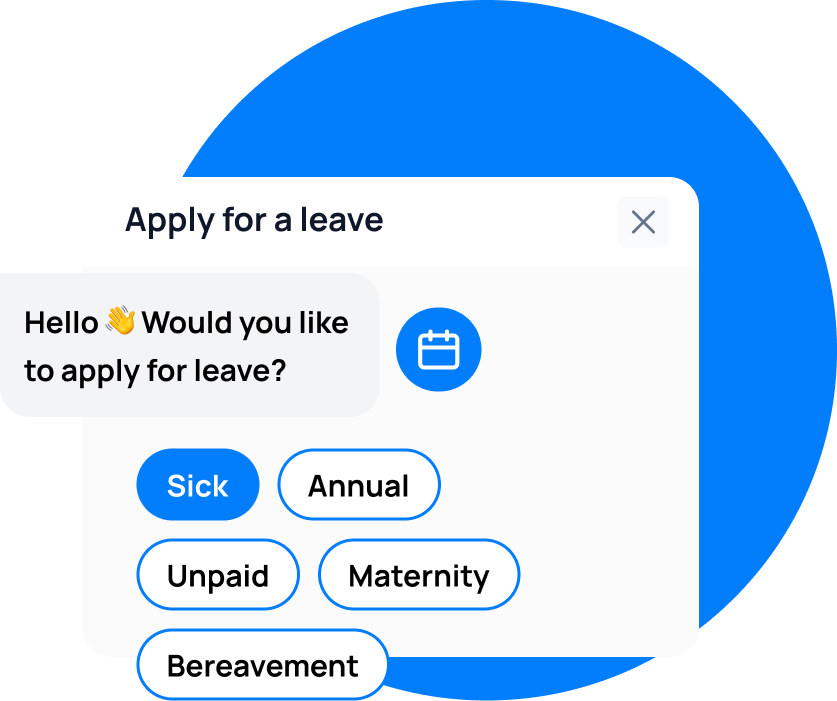
A leave management system that tracks leave accrual during unpaid leave across multiple jurisdictions, applies the correct statutory rules, and maintains accurate leave balances keeps employers compliant and employees informed.
Frequently asked questions
Does annual leave accrue during unpaid leave in the UK?
Yes. Under the Working Time Regulations 1998, statutory annual leave (5.6 weeks or 28 days for full-time workers) continues to accrue during unpaid leave. The employee returns with accrued leave available for use.
Does annual leave accrue during unpaid leave in Australia?
No. Under the Fair Work Act 2009, annual leave does not accrue during unpaid leave of more than 12 months. For unpaid leave of less than 12 months, annual leave does not accrue because there are no “ordinary hours of work.”
Does annual leave accrue during unpaid leave in the US?
There is no federal requirement. Accrual during unpaid leave depends on the employer’s policy. Some states (like California) have specific rules, but most states leave it to the employer’s discretion.
What about long service leave during unpaid leave?
In most Australian states, long service leave accrues for the first 12 months of unpaid leave but stops after that. The rules vary by state — check the applicable state legislation.
Should I offer leave accrual during unpaid leave?
It depends on your jurisdiction, your retention goals, and your payroll complexity. Accrual during unpaid leave is a retention tool but adds complexity. Document the policy clearly and apply it consistently.
Sources
- UK Legislation — Working Time Regulations 1998 (primary source)
- Fair Work Act 2009 (primary source)
- ACAS — Holiday pay
This article is general information, not legal advice. Employment laws and leave accrual rules change — confirm current figures with the relevant government agencies.